Ad / Affiliate disclosure: This article contains affiliate links. If you make a qualifying purchase through these links, I earn a commission at no extra cost to you. All opinions are my own.

Solar Street Series Tuna in grey (Solar)

Seiko Safari Tuna in blue and sand (Automatic)
Yes. In my experience, Seiko solar watches are accurate, dependable and easy to live with. Give them enough light and they make very practical everyday watches, especially if you would rather put a watch on and get going than wind it or reset the time.
That question first started coming up on Instagram after I bought my automatic Seiko Safari Tuna SRPF81K1. People wanted to know how it compared with my older solar-powered Street Series Tuna SNE537P1, and whether the automatic was worth the extra money.
It’s a fair question. I own and enjoy both, but the solar movement has never felt like a poor substitute for the mechanical one. They offer different things, and the better choice depends on what you want from your watch.

How does a Seiko solar watch work?
A Seiko solar watch is a quartz watch powered by light. A solar cell beneath the dial converts light into electricity, which is stored in a rechargeable battery and used to run the movement.
It can charge from natural or artificial light, although the strength of that light makes a big difference. A day outside gives it a very different charging opportunity from an afternoon under an office light.
You don’t need to wind it, and moving your wrist isn’t what charges it. The important thing is allowing light to reach the dial. A watch hidden under a sleeve all day may receive less than you expect. Seiko explains the charging process here.
How long does a Seiko solar watch last on a full charge?
That depends on the model. For my SNE537P1, Seiko quotes approximately ten months of running time when fully charged. Other solar movements have different reserves, so it’s worth checking the specification for the exact watch you’re considering.
In actual use, I’ve left my solar Tuna in a watch box in the cupboard for two to three months, then taken it out to find that all I needed to adjust was the date.
That’s one of the things I appreciate about it. If you rotate between several watches, it’s useful to have something you can pick up without having to start it again.
You certainly don’t need to walk around holding your wrist up to the sun for fear of it stopping as soon as it gets dark. The stored charge keeps it running. Just remember that a long power reserve is a buffer between charges, rather than a reason to keep the watch in a cupboard indefinitely. Seiko's SNE537 specification gives the model's reserve and accuracy figures.

The automatic Safari Tuna SRPF81K1 uses Seiko’s 4R35 movement.
Seiko solar battery life: does it need replacing after ten years?
There are two different things to consider here: how long the watch runs between charges, and how long its rechargeable battery remains in good condition.
Seiko solar watches don’t need the routine disposable battery changes associated with conventional quartz watches. That doesn’t mean the rechargeable battery lasts forever, or that it has a fixed ten-year replacement date.
The rechargeable battery can lose some capacity over time. If your watch starts running for much shorter periods despite proper charging, have it checked. It may need a new battery or a service, rather than simply more time in the sun.
Seiko advises having rechargeable battery replacement carried out by a professional. I’d leave that job to a watchmaker or Seiko service centre, particularly with a diver where the seals and water resistance matter too. Ask for a quote for the complete job, including any servicing or pressure testing needed.
The useful distinction is that solar means less routine battery maintenance. The rest of the watch still needs care. Seiko's solar diver instructions explain battery ageing, servicing and replacement.
How accurate are Seiko solar watches?
The V157 movement in my Street Series Tuna is rated to ±15 seconds per month. That's impressive accuracy, especially when you consider that we're comparing it with an automatic movement measured in seconds per day. That’s Seiko's specification, rather than a measured result from a timing test of my own watch.
For comparison, the 4R35 automatic movement in my Safari Tuna has a stated daily accuracy range of −35 to +45 seconds. Individual mechanical watches can perform better than that broad range, and their results vary with wear and conditions.
Even allowing for that, solar quartz has a clear advantage if straightforward timekeeping accuracy is your priority.
That doesn’t stop me enjoying the automatic. Accuracy is one part of owning a watch, and the mechanical appeal matters too. But if someone asks which is the more practical timekeeper, the solar has a very strong answer. Seiko's 4R35/4R36 specifications set out the automatic movement's tolerances.

The solar cell beneath the dial converts light into electricity.
Charging and storing a Seiko solar watch
The main thing is to give the dial regular access to light. Daylight is generally much more effective than ordinary indoor lighting, and a watch that has run flat may need considerably longer to reach a full charge than it takes simply to start moving again.
I’ve made a habit of taking my solar watches out for a sunny-day top-up at least once a year. Combined with wearing them throughout the year, that routine meant I hadn’t come back to find them stopped. That's worked well for me, although I'd still recommend following Seiko's charging advice rather than assuming an occasional top-up will be enough for everyone.
Seiko's general advice is more regular: around five to six hours of sunlight by a window once a month. Your model's instructions give more specific charging guidance. Autumn and winter deserve a little extra thought, when shorter days and long sleeves can reduce the light reaching your watch.
Keep an eye on temperature while charging. Avoid a hot car dashboard or putting the watch close to a hot lamp. A bright position is useful; excessive heat isn’t.
If your watch spends most of its time in a closed box, make time to charge it properly rather than waiting for it to stop. Seiko's charging and storage advice is a useful starting point.
Seiko solar vs automatic: which makes more sense?
If you want an accurate watch with little daily fuss, solar is very easy to recommend. There’s no winding routine, and a healthy charge can keep it running through long gaps between wears.
An automatic gives you the appeal of a mechanical movement. For some people, that’s a large part of why they enjoy watches in the first place. I understand that completely, because I have a place for both in my collection.
The comparison that prompted this guide also needs a little context. The automatic SRPF81K1 and solar SUT403P1 share the Safari Tuna look, but they’re different references with different dimensions and features. The SUT403P1 is a smaller, no-date solar model, rather than simply my automatic with a different movement inside.
I’d compare the complete watches and their actual selling prices. Paying more for an automatic makes sense if its mechanical character and overall design are what you want; it doesn’t automatically buy you more accurate timekeeping.
You can read more about the automatic in my Seiko Safari Tuna SRPF81K1 review.
What are the downsides of Seiko solar watches?
When a solar watch stops, it stops. Obvious, I know, but you can’t simply wind it up and head out. It needs enough light and enough time to recover. That’s worth remembering if you’re taking a rarely worn watch out for a trip.
Solar is also less convenient if your watch gets very little light and you prefer to keep it shut away between wears. It can still work for you, but you’ll need to think about charging.
If you spend your entire life in darkness, though, solar probably isn’t for you. Mole people and reptilian overlords may want to look elsewhere.
Then there’s personal taste. A solar quartz movement may not give you the same enjoyment as a mechanical one. That’s a perfectly good reason to choose an automatic, even if the solar wins on accuracy and convenience.
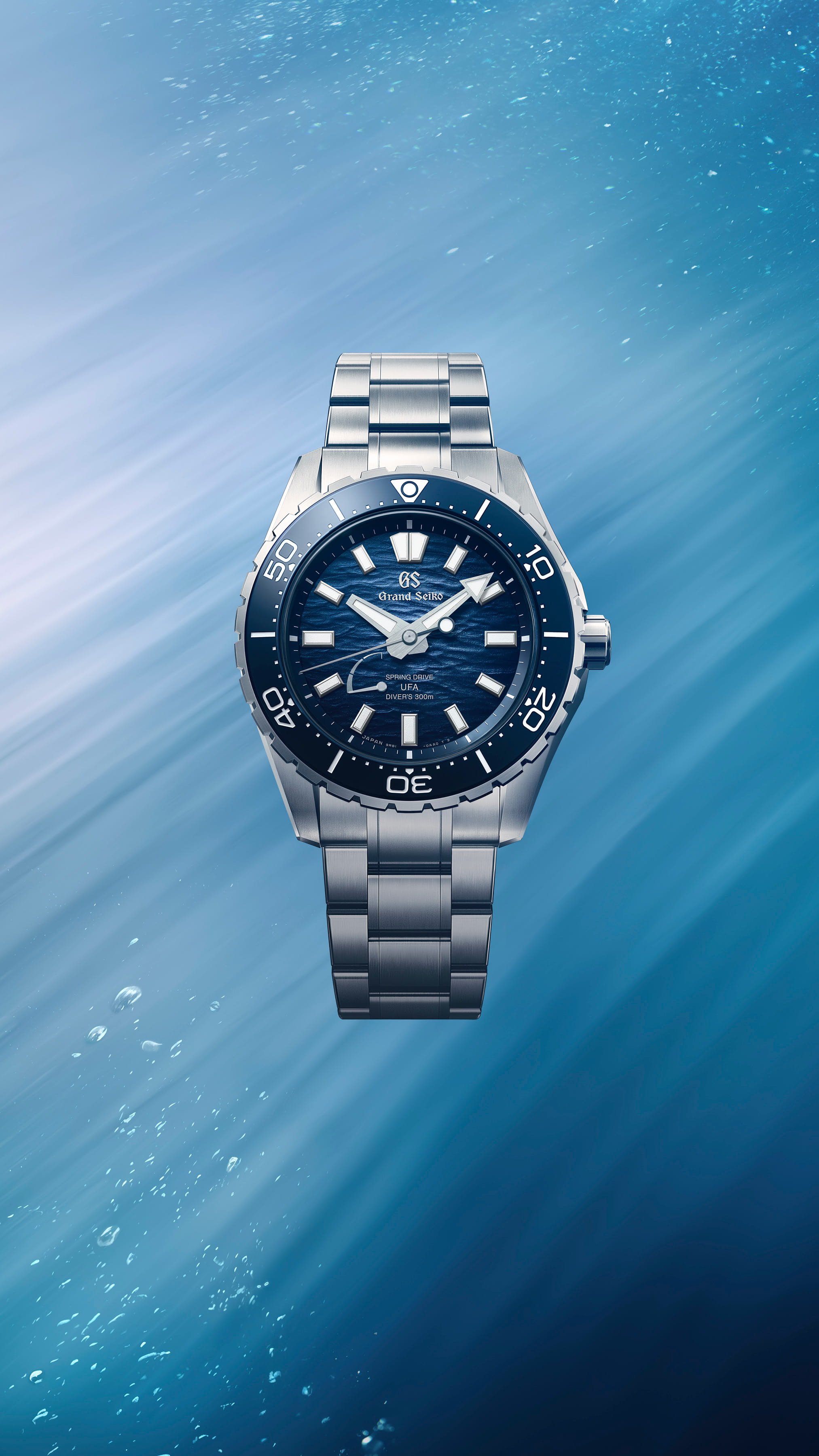
Finally, judge the whole watch. Crystal, size, bracelet, strap and water resistance vary between models. Solar power alone doesn’t make a watch suitable for diving or remove the need to check its condition before using it in water.
Seiko solar models to help you compare
These examples show some of the differences within the range. The ownership experience in this guide comes from my SNE537P1; the other two entries are specification-based starting points, rather than hands-on recommendations.
| Model | Movement | Case diameter | Full-charge reserve | Water resistance |
|---|---|---|---|---|
| Seiko Street Series Tuna SNE537P1 | V157 solar | 46.7mm | Approx. 10 months | 200m diver’s |
| Seiko Prospex SNE573P1 | V147 solar | 38.5mm | Approx. 10 months | 200m diver’s |
| Seiko Prospex Speedtimer SSC813P1 | V192 solar chronograph | 39mm | Approx. 6 months | 10 bar |
The SNE573 has a much smaller case diameter than the Street Series Tuna, while the SSC813 adds a chronograph. That’s why it helps to narrow down the kind of watch you want before comparing solar movements.
Specifications are from Seiko's SNE573 and SSC813 pages, alongside the SNE537 page linked above. Availability and prices vary by market, particularly for older references.
If either of these solar divers appeals, you can compare current prices and availability below.
If you’re comparing light-powered divers from other brands, my Citizen Promaster BN0260-54L review covers an Eco-Drive option I’ve spent time with.
Would I recommend a Seiko solar watch?
Yes. My solar Tuna has been accurate, dependable and easy to live with, and I think that combination makes a lot of sense for an everyday watch or something you wear in rotation.
Would I only own solar Seikos? No. I enjoy my automatic watches too, and I wouldn’t want to lose that side of the collection.
But I certainly wouldn’t be without the solar options. If you want reliable timekeeping, good everyday usability and less routine battery fuss, they’re well worth considering. Choose a model that suits you, give it regular light and enjoy wearing it.
Seiko solar watch FAQs
Do Seiko solar watches have a battery?
Yes. They store energy in a rechargeable battery, which powers the quartz movement. Solar describes how that battery is charged.
Do Seiko solar watches work without sunlight?
They can charge from artificial light and continue running in darkness using stored energy. Ordinary room lighting usually charges them much more slowly than bright daylight.
Why is my Seiko solar watch ticking every two seconds?
On models such as the V157-powered Tuna, this is a low-charge warning. Recharge it according to its instructions. If it keeps happening after sufficient charging, have the watch checked. Seiko explains the warning here.
Can you overcharge a Seiko solar watch?
The solar models listed above have overcharge prevention to protect against further charging once full. That doesn’t protect them from excessive heat while charging.
Is a Seiko solar watch the same as a Seiko Kinetic?
No. Solar uses light to generate electricity; Kinetic uses movement of the watch. Neither is the same as a conventional automatic mechanical movement.