

Inside The Grand Seiko UK Service Centre: Craft, Spring Drive And The People Behind The Watches
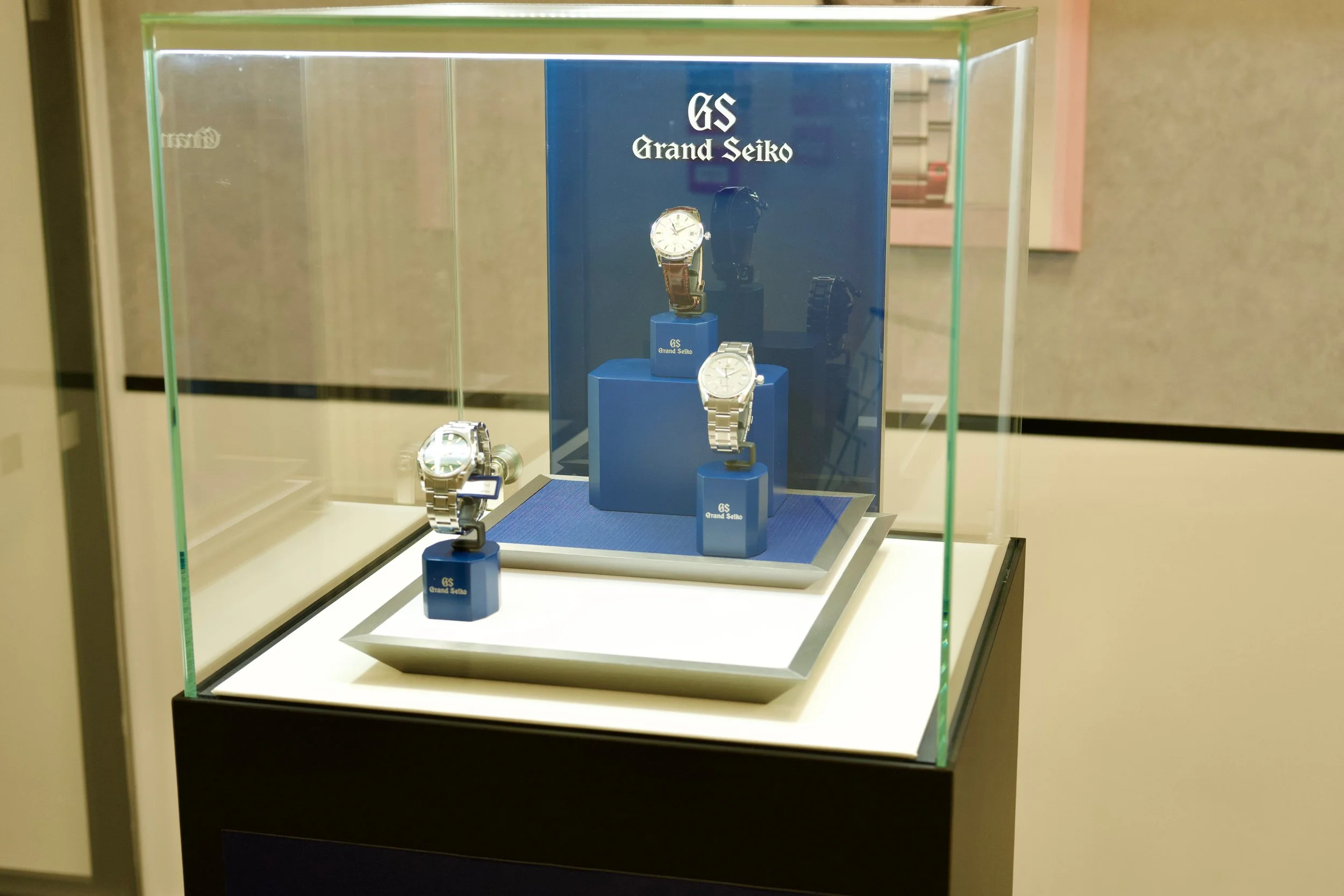
I was recently invited down to Seiko UK by Adam Brennan to spend some time with the latest Grand Seiko Watches and Wonders 2026 releases.
As you can imagine, I didn’t need much convincing.
Grand Seiko is one of those brands I have admired for a long time. The dials, the case finishing, the Spring Drive movements, the sharp lines, the quiet confidence. There is so much about the brand that pulls me in as a watch enthusiast and photographer.
The plan for the visit was to go through some of the new Grand Seiko releases first, then take a tour of the UK service centre and workshop afterwards.
The new watches were impressive, and I will cover those separately. There were precious metal pieces, compact quartz models, new Spring Drive watches, and some very interesting UFA divers.
But the part of the day that stayed with me most was the workshop.
That was where I really felt the depth of the brand. Not just the watches themselves, but the people, training, care and standards that sit behind them.
And if I’m honest, it made me appreciate Grand Seiko even more.
More Than Just Beautiful Grand Seiko Dials
Most of us first notice Grand Seiko because of the dials.
That is certainly how it started for me.
The Snowflake, the Skyflake, the seasonal textures, the nature-inspired Grand Seiko dials, the way the surface of the dial can change with the smallest shift in light. Grand Seiko knows how to make a dial feel calm, detailed and special without shouting too loudly.
That is part of what makes pieces like the Grand Seiko Sakura-Kakushi and Sakura-Tukiyo limited editions so appealing. They capture that very Grand Seiko mix of texture, seasonality and restraint.
Then you start looking more closely at the cases. The sharp transitions. The polished planes. The brushed surfaces. The way the edges catch the light.
Then you start reading about Spring Drive, Hi-Beat movements, 9F quartz, and the brand’s obsession with accuracy.
Before long, you realise Grand Seiko is not just a brand that makes pretty watches. There is a lot going on beneath the surface.
Still, seeing the service centre in person gave me another layer of appreciation.
It showed me that the craft does not stop once the watch leaves the factory. It continues through servicing, polishing, testing, training and quality control.
That matters.
Because if you are buying a Grand Seiko, especially at some of the prices these watches now reach, you want to know the people looking after it truly understand what makes it special.
A Visit Shaped By Passion
One thing that came across very quickly during the visit was the passion of the people involved.
Adam Brennan kindly invited me down to Seiko UK, and his own enthusiasm for the new releases was clear from the start. It wasn't just a case of being shown a few watches from a tray. There was proper excitement around the pieces, the details, the movements and the direction Grand Seiko is taking.
Rob Wilson, senior watch technician at Seiko UK, joined us as we went through the new releases, and again, his enthusiasm was obvious. Rob clearly has a deep technical understanding of these watches, but what I liked most was how genuinely excited he was by them.
That sort of passion is infectious.
When someone knows the technical side inside out but still talks about the watches with real energy, you can’t help but get pulled in.
Later, Rob and Will Fairhead, one of Seiko UK’s watchmakers, took me through different parts of the workshop tour. Both explained different elements of what goes on behind the scenes, from servicing and testing through to polishing and refinishing.
What stood out was not just their knowledge, although that was impressive. It was the way they spoke about the work.
You can tell when someone is simply doing a job.
This didn't feel like that.
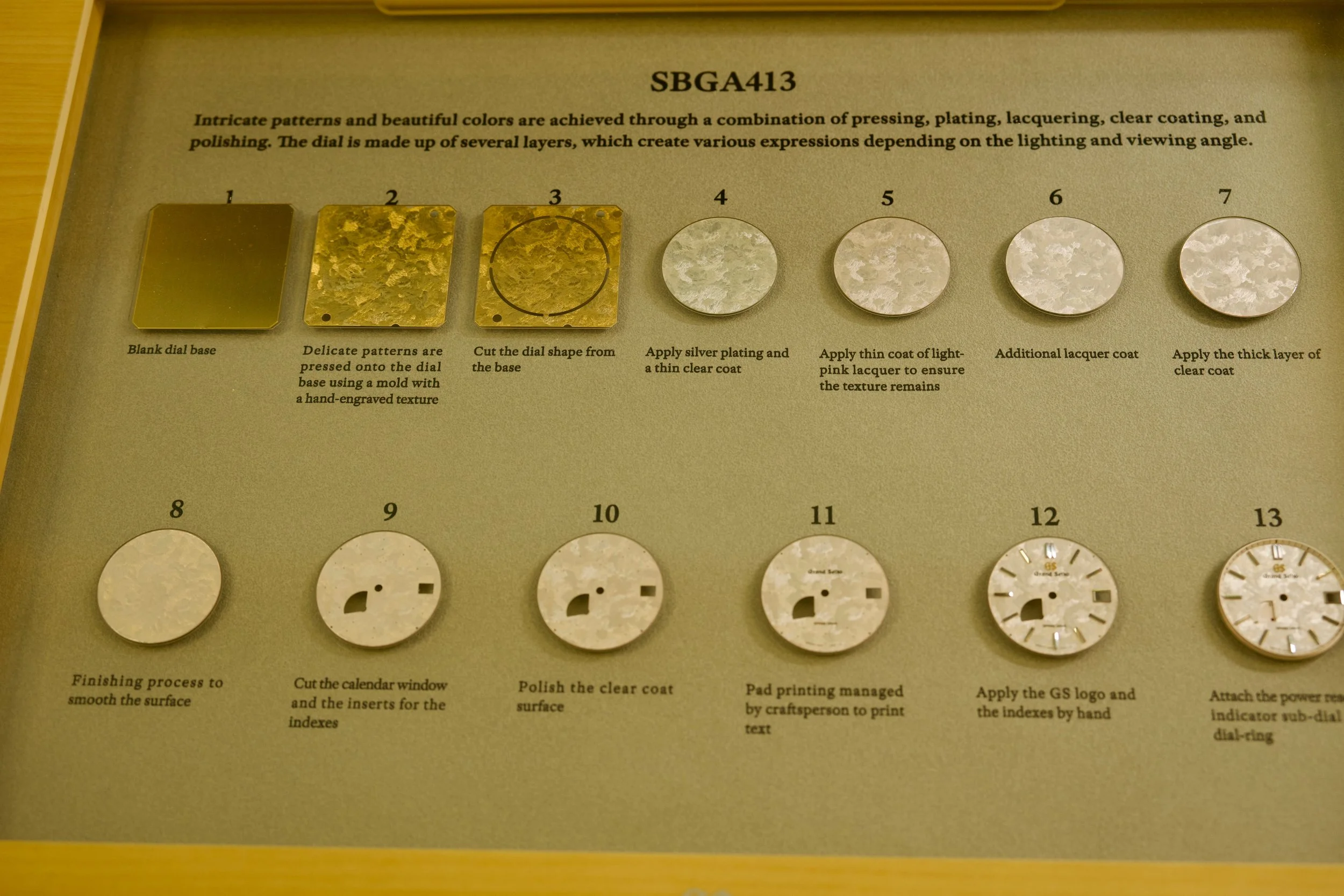
Both Rob and Will clearly are very passionate about what they do. There was pride in the work, but not in an arrogant way. It was more than quiet confidence you get from people who have spent years learning a difficult craft and still enjoy doing it properly.
They were also friendly and approachable, which makes a big difference.
I am not a technical watchmaker. Far from it. I love watches, I love wearing them, photographing them and writing about them, but I am looking at the deeper servicing side as an enthusiast, not as someone who could sit at a bench and work on a Spring Drive movement.
So I appreciated how Rob and Will explained things in a way that made sense without making it feel dry or intimidating.
That human side was one of the best parts of the visit.
A Workshop Designed Around Precision
The workshop itself felt exactly as you would hope from a brand like Grand Seiko.
Quiet. Calm. Clean. Focused. Precise.
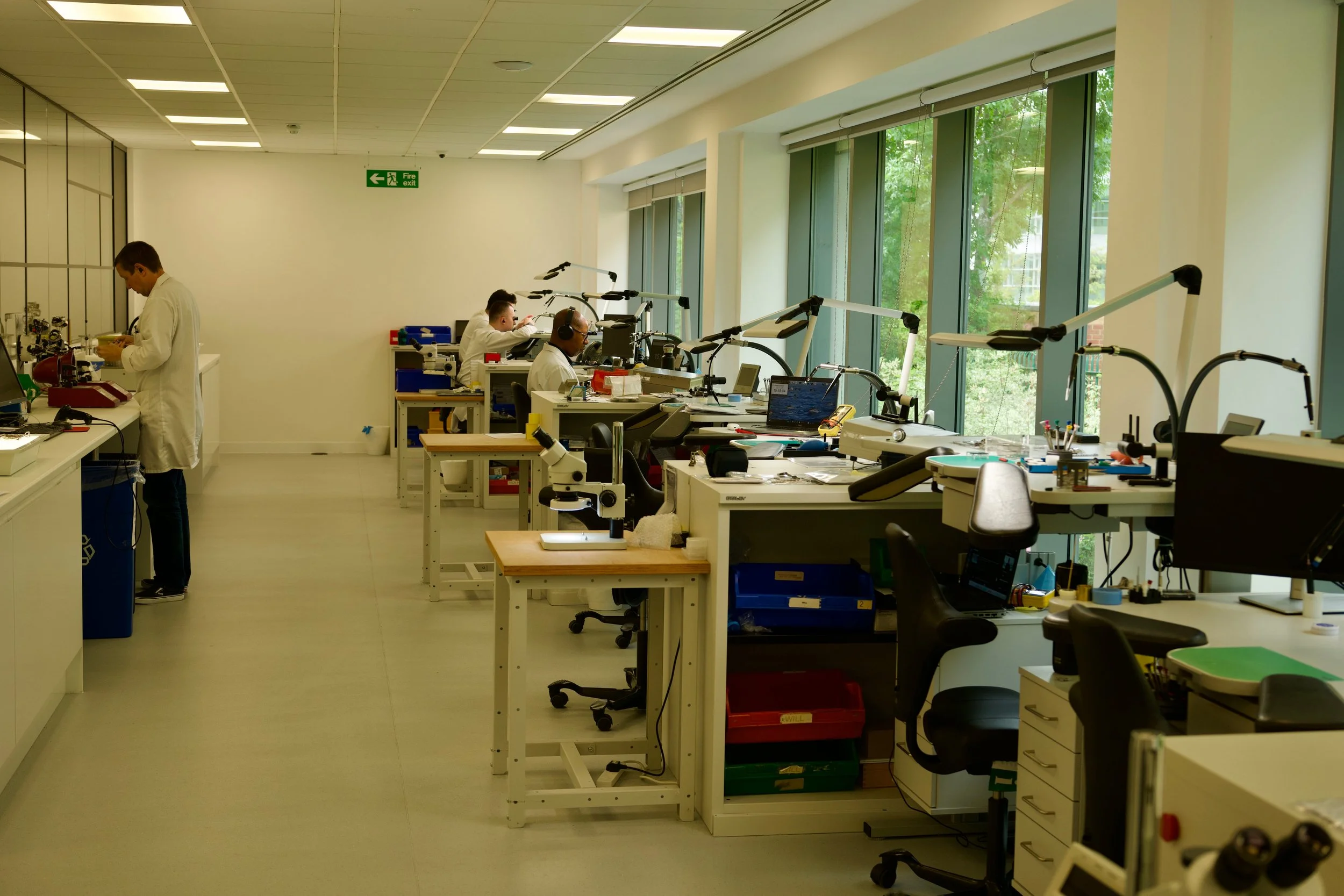
It felt like a scientific laboratory, which I mean as a compliment. This was not a noisy, rushed or chaotic space. It was clearly designed around the kind of detailed work being carried out inside it.
Nothing about it felt accidental.
The layout, the lighting, the separation of noisier equipment, the way the benches were set up, the general atmosphere of the room — it all felt deliberate. The whole space seemed built to give the technicians and watchmakers the best possible environment to focus.
That is important because the work is so fine and delicate.
When someone is handling tiny components, regulating movements, checking water resistance, refinishing a case or working through a service, the environment matters. You don't want unnecessary stress or distraction around that kind of work.
What I saw was not a huge factory-style setup with dozens of people. It was a focused group of highly trained people working in an environment built around precision and care.
And I’m glad Grand Seiko doesn't cut corners in that regard.
You simply can't train huge numbers of people to do this kind of work and still maintain the standard the brand demands. The skill set is too specific. The training is too long. The quality control is too important.
That was one of the biggest things I took away from the visit.
This is not scale for the sake of scale. It is about standards.
Grand Seiko Polishing Is Not Just Making A Watch Shiny
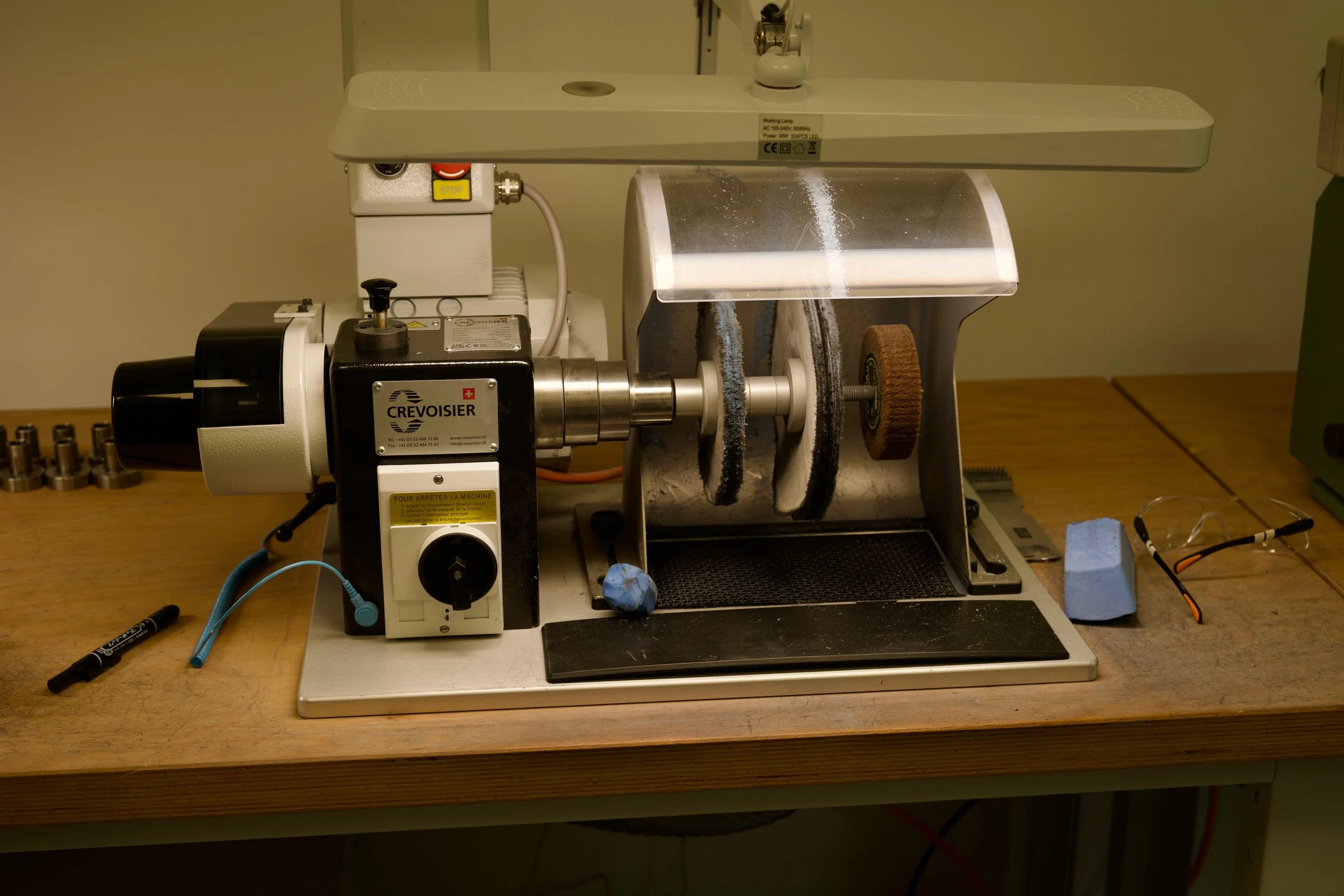
The polishing and refinishing side was fascinating.
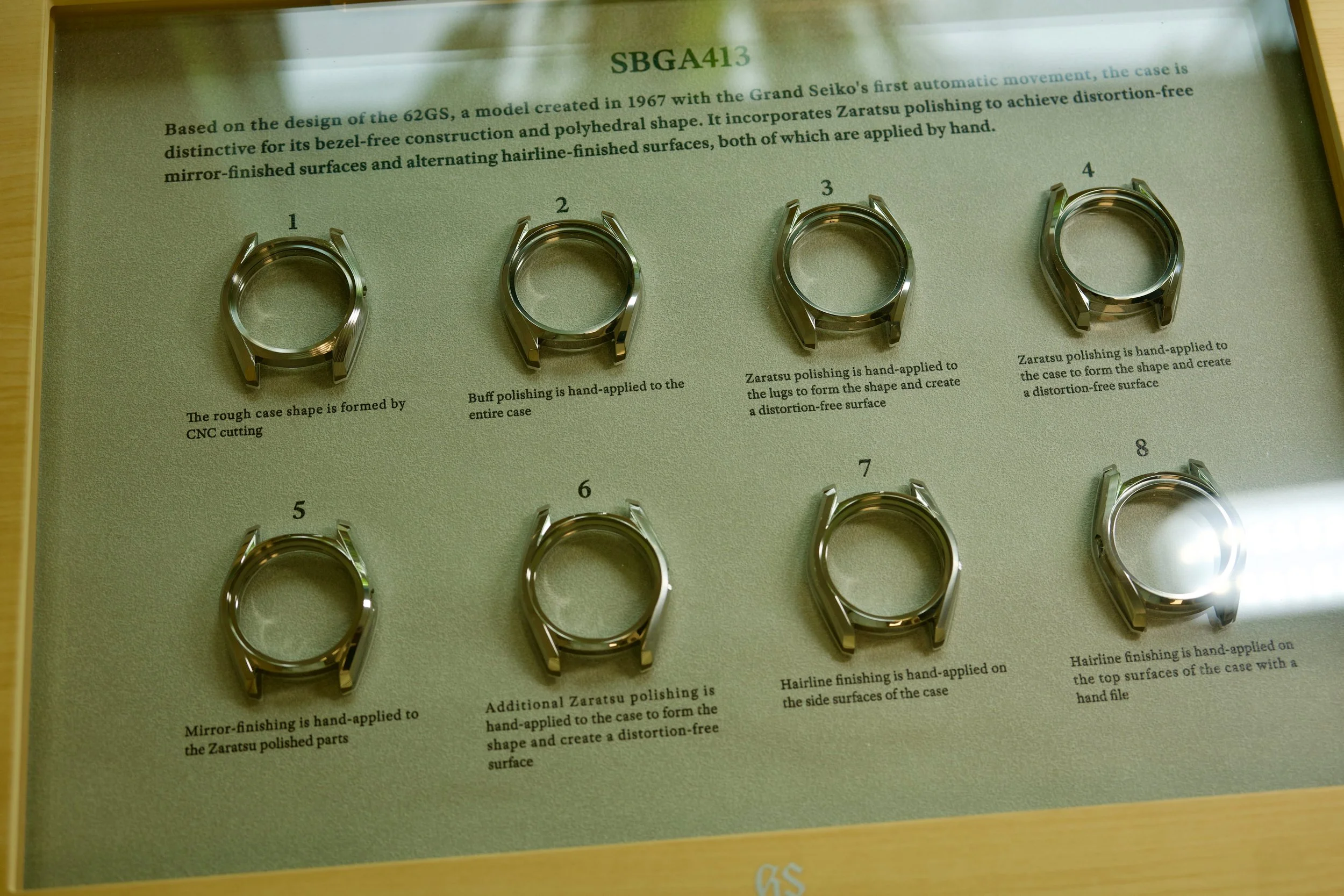
Grand Seiko case finishing is a huge part of the brand’s identity. Those sharp edges, mirror-polished surfaces and brushed planes are not just decorative. They help define the whole character of the watch.
This is especially true with case styles like the 44GS, where the flat surfaces and crisp lines are central to the design.
Watching and listening as the process was explained gave me a much better appreciation of just how easy it would be to get this horribly wrong.
Because this isn't simply about making a scratched watch shiny again.
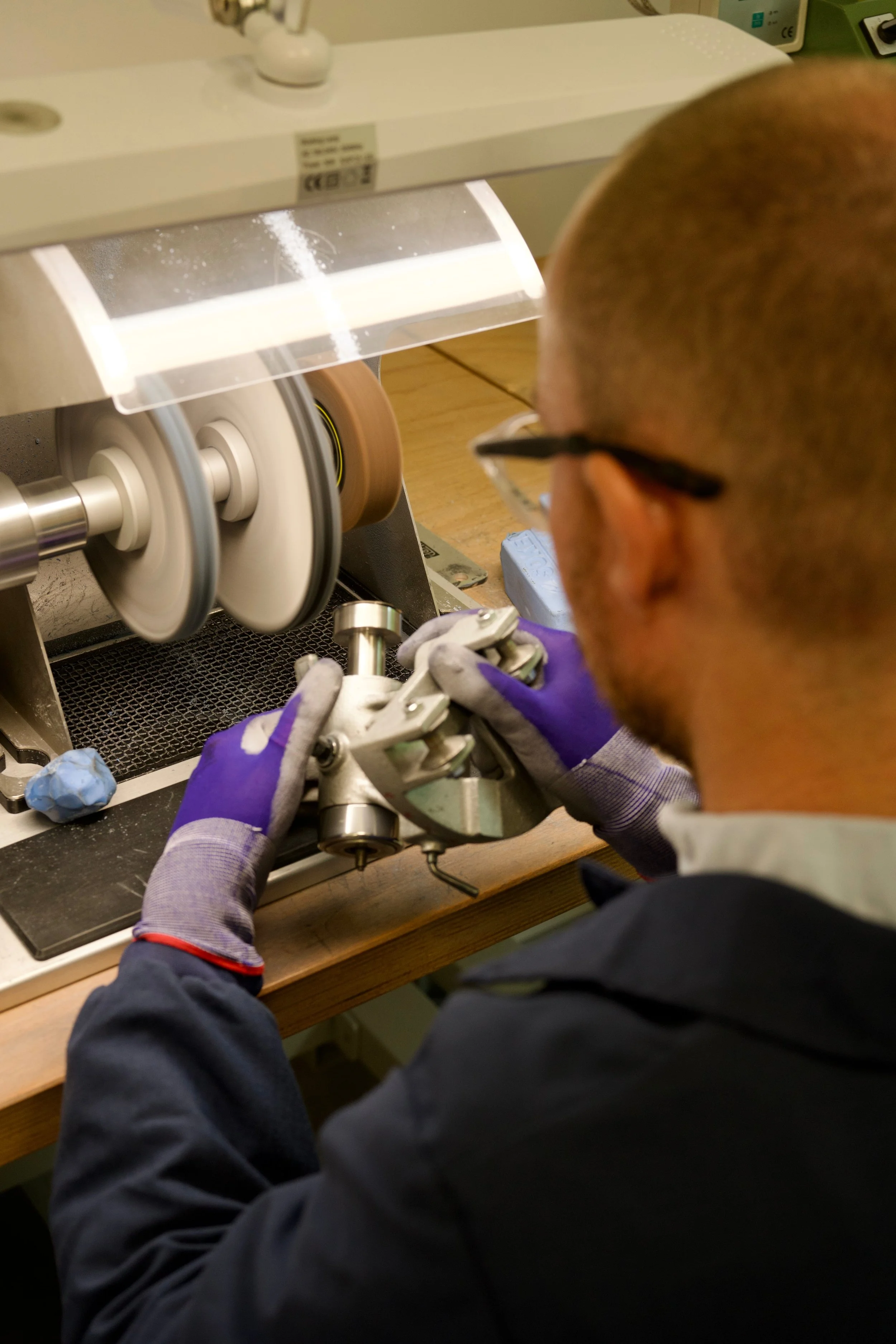
One example that stuck with me was the way the early stages of refinishing were explained. A surface can be marked, checked and worked against a lapping wheel so the flat planes remain truly flat, rather than being softened or rounded off. That might sound like a tiny detail, but on a Grand Seiko case, especially something with sharp case geometry, those tiny details are the watch.
The real skill is in preserving the shape of the case. The edges. The angles. The flat surfaces. The transitions between polished and brushed finishing.
That takes time, patience and proper training.
There are different stages to the process, and each stage matters. Preparation matters. Masking matters. The right tools matter. Knowing how much material to remove matters. Knowing when to stop probably matters just as much.
It also made me think differently about Grand Seiko ownership.
If you own a Grand Seiko with this type of case finishing, I personally would be very careful about where I sent it for polishing. A poor polishing job can soften the lines, round the edges and remove some of the character that made the watch special in the first place.
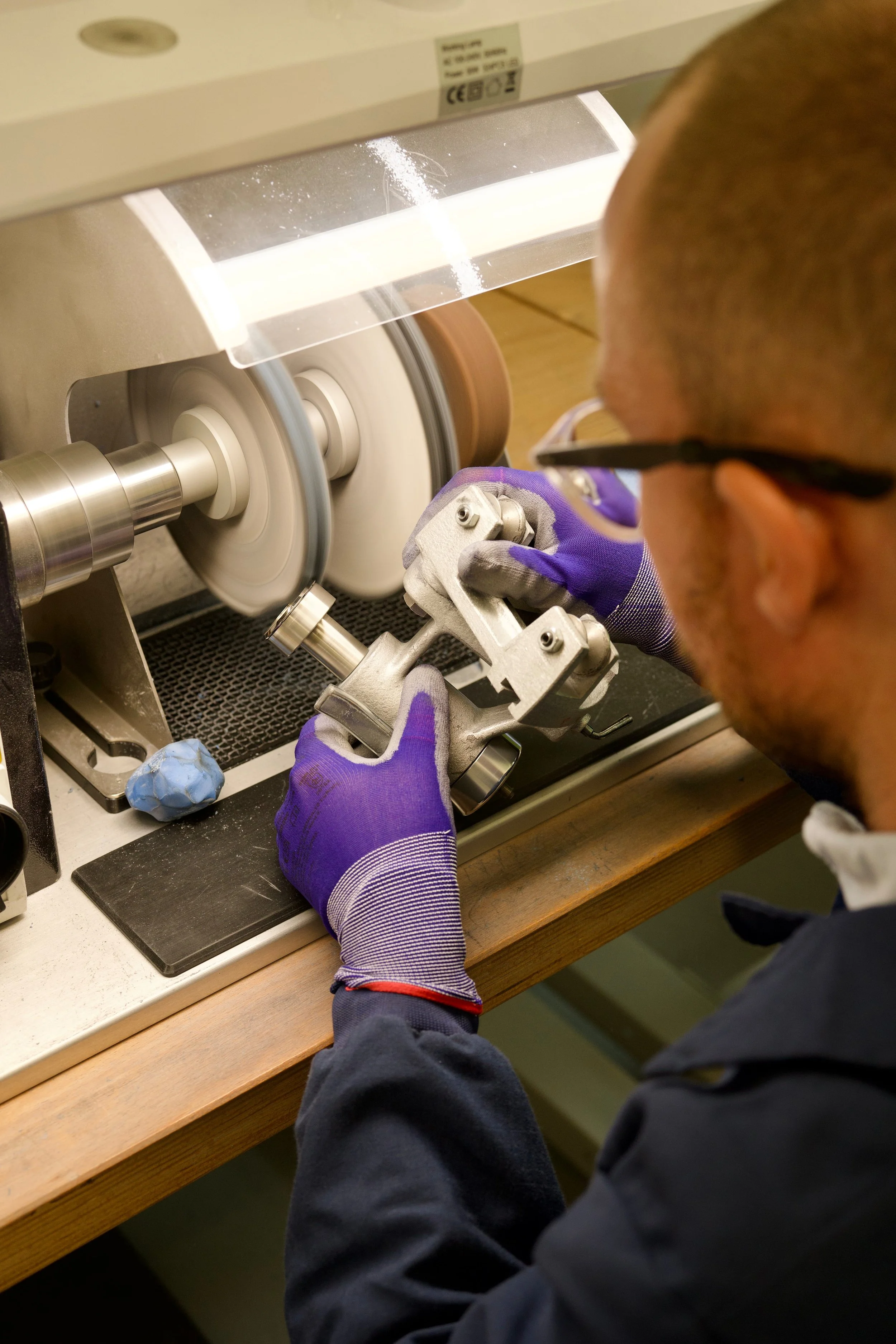
Once those crisp lines are gone, they are not easy to bring back.
That is why having this kind of expertise available through Seiko UK is so valuable for Grand Seiko owners in the UK.
It gives you confidence that the people working on the watch understand the finishing, understand the design, and understand why those details matter.
Spring Drive Servicing Is On Another Level
Spring Drive has always fascinated me.
There is something almost magical about that smooth glide of the seconds hand. I know that sounds dramatic, but if you have ever sat and watched one, you will know what I mean. It has a calmness to it that feels completely different from a traditional mechanical watch.
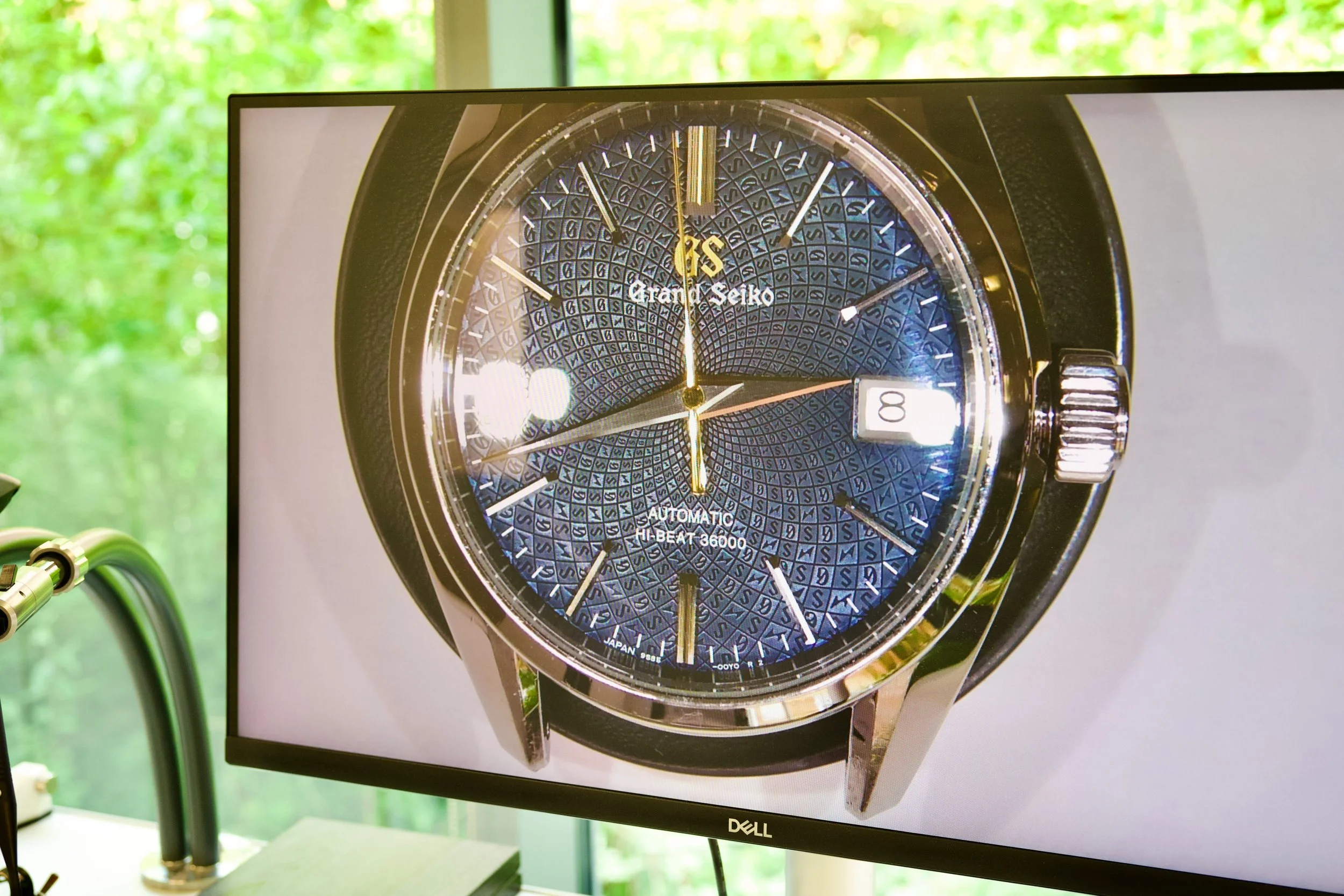
But seeing and hearing more about the servicing side gave me an even deeper respect for it.
Again, I am not going to pretend I understood every technical detail. Some of it was well above my level, and that is perfectly fine.
But what stood out was how intricate and specialist Spring Drive servicing really is.
All mechanical watchmaking has a tiny margin for error. The parts are small. The tolerances are tight. The work requires patience and skill.
But Spring Drive takes things into a different space.
The movement combines mechanical energy with electronic regulation, and that means the technicians working on it need a very specific type of training and understanding. This is not something you can just pick up casually.
The care, equipment and knowledge required are serious.
One small detail that really brought this home was the discussion around lubrication. In a standard mechanical movement, a tiny amount of excess oil in one area might not always cause an immediate issue. With Spring Drive, the tolerances and behaviour are different. Too much lubrication in the wrong place can actually stop the movement. That gives you a sense of just how precise the work needs to be.
It felt a bit like finding and training a needle in a haystack. You need the right people, with the right temperament, the right patience, and the right level of technical ability.
Seeing how well Rob and Will understood this world was seriously impressive.
It also made me appreciate Spring Drive as a piece of watchmaking engineering. The accuracy, the design, the smoothness and the whole philosophy behind it all feel very Grand Seiko.
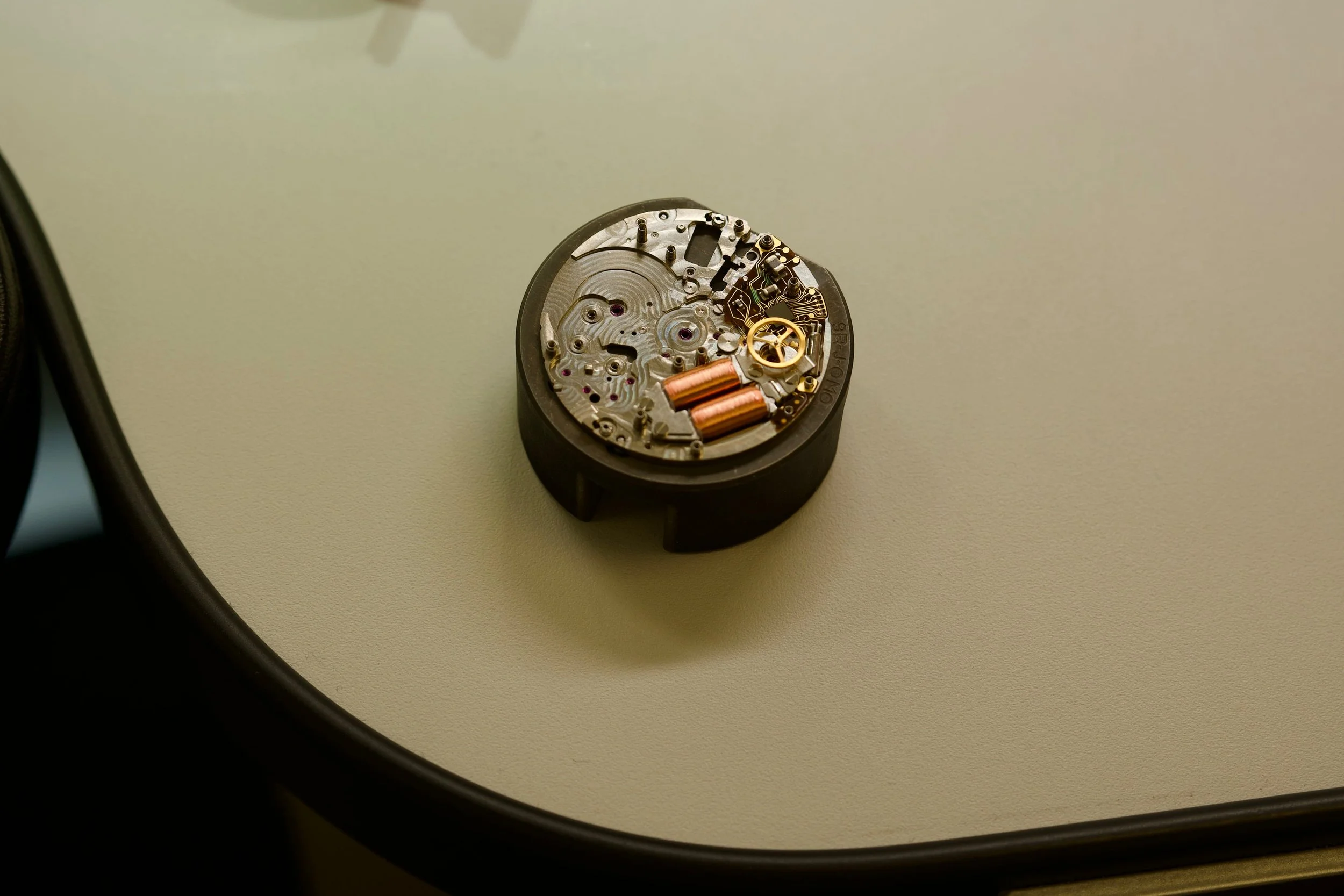
It feels like innovation in Grand Seiko’s usual way: quiet, precise and deeply considered.
That same sense of thoughtful movement development is something I touched on when looking at the Grand Seiko SLGH027 Mountainscape and its 9SA5 Hi-Beat movement. Different movement family, of course, but the wider theme is similar: Grand Seiko cares deeply about what is happening inside the case, not just what we see on the dial.
The Same Care Across Seiko And Grand Seiko
Another thing I liked was seeing that the care in the workshop was not reserved only for the most expensive Grand Seiko watches.
There were watches from across the wider Seiko family. More accessible Seiko models, including pieces like Seiko 5 Sports, all the way through to more expensive Grand Seiko models.
Of course, not every watch requires the same work. A simple automatic Seiko and a high-end Spring Drive Grand Seiko are very different things.
But the attitude felt consistent.
This is someone’s watch. It matters to them. It deserves to be treated properly.
That really landed with me.
It would be easy for a brand to reserve the highest level of visible care for the highest priced models. But what came across at Seiko UK was more of a wider culture of care.
That broader Seiko world is something I enjoy too, from affordable daily watches right through to pieces like the King Seiko VANAC Tokyo Midnight, which shows another side of Seiko’s premium watchmaking.
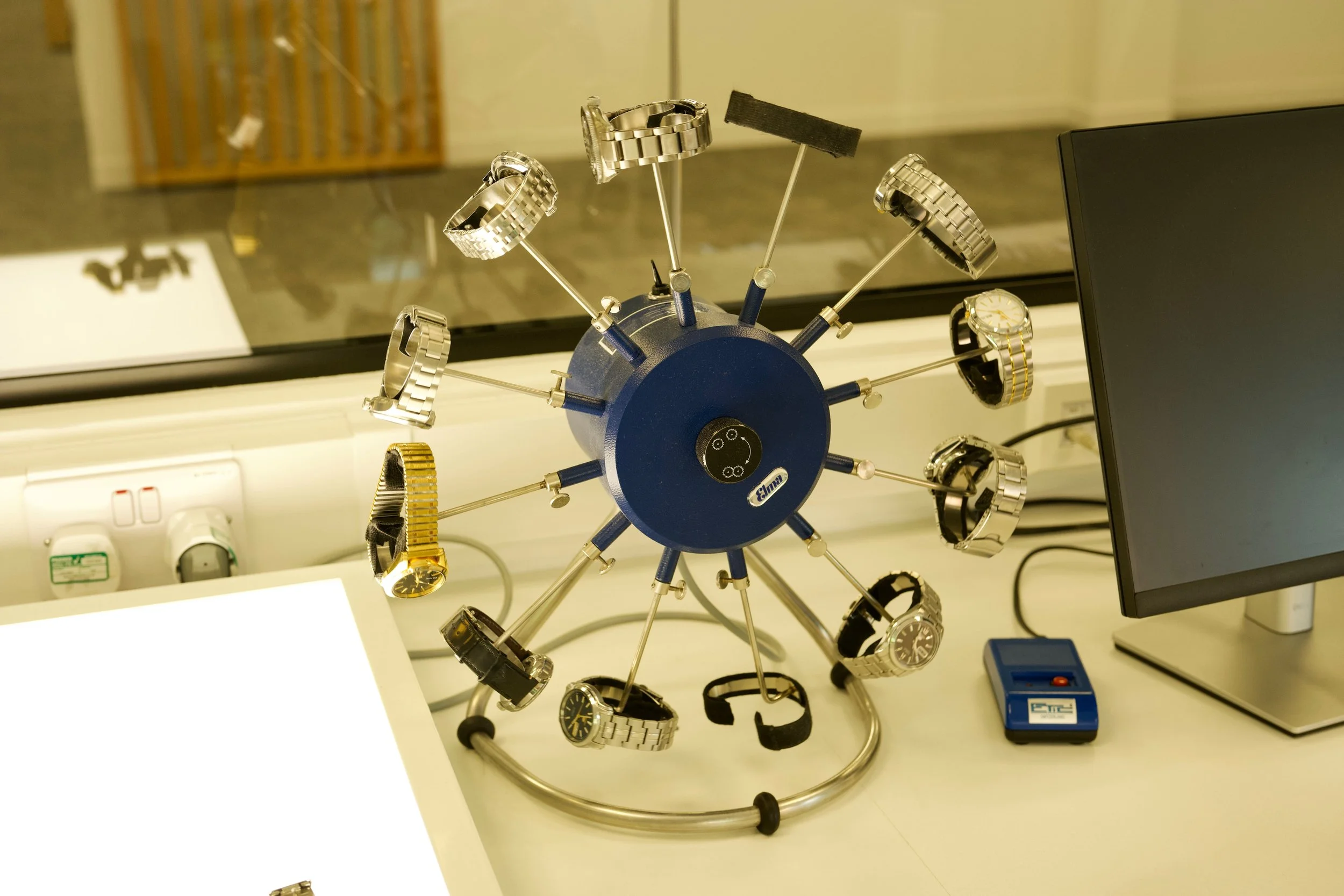
The testing and quality control are clearly taken seriously. Air testing, wet testing for Grand Seiko and diver’s watches, condensation checks, and water-resistance certification for divers, the list goes on.
That might sound like a list of workshop processes, but the point is bigger than that.
It is about trust.
When you send a watch away for service, especially one you care about, you are placing a lot of trust in the people handling it. Seeing the way Seiko UK approaches that work made the whole thing feel reassuring.
Not flashy. Not overplayed.
Just careful, serious and professional.
Why This Matters For Grand Seiko Owners In The UK
I have wanted a Grand Seiko for a long time.
The problem is choosing one.
There are so many I like that I could easily talk myself into several different models. A Spring Drive piece. A 44GS case. A textured dial. Something simple and elegant. Something a bit sportier.
That is the problem with Grand Seiko. One favourite quickly becomes five.
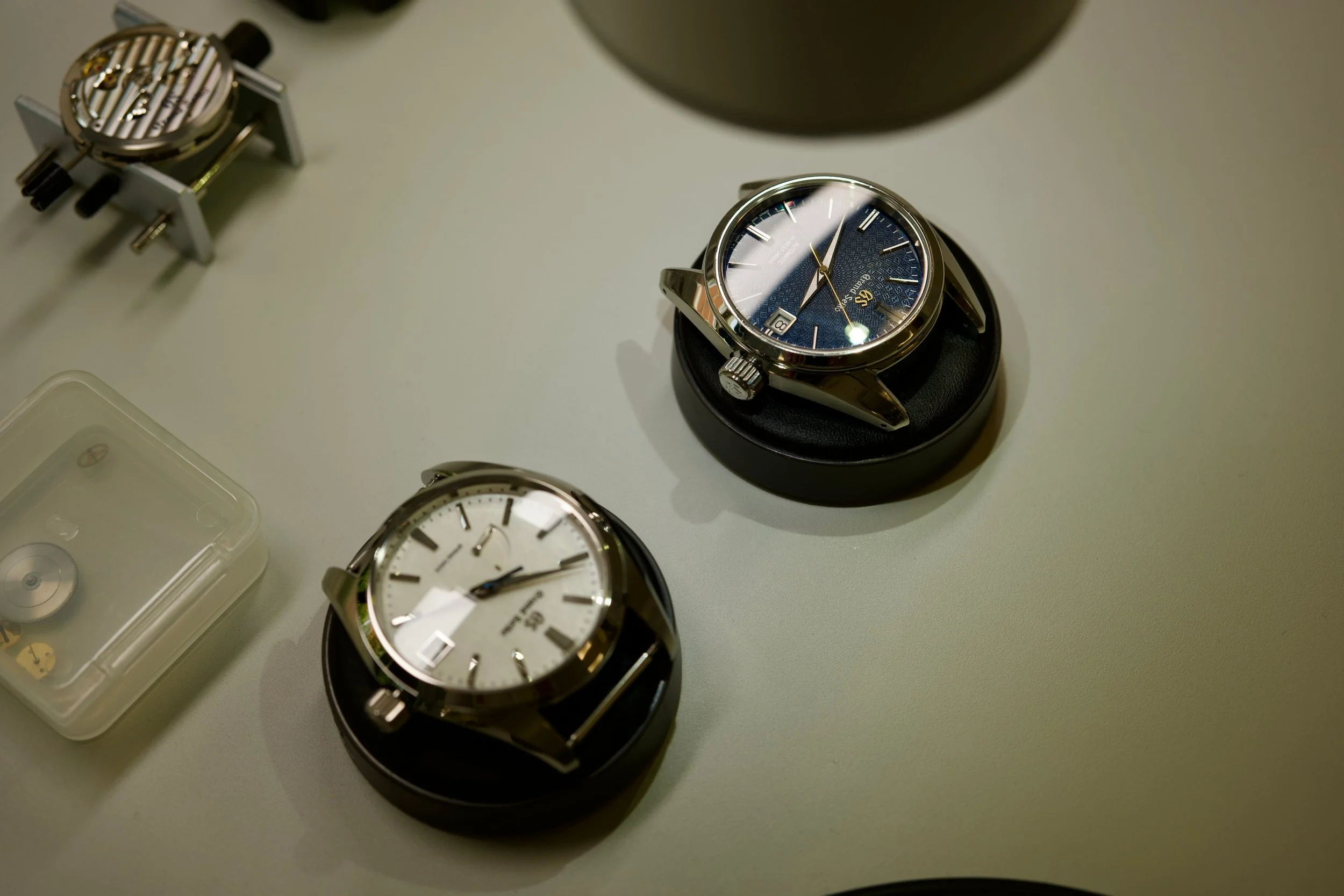
Before this visit, my love for the brand mostly came from the watches themselves. The finishing. The dials. The case shapes. The movement innovation. The accuracy. The way Grand Seiko do their own thing without chasing everyone else.
But after visiting the UK service centre, my appreciation for the brand has gone deeper.
It is one thing to admire the finished watch. It is another thing to meet the people who help keep those watches working properly for years to come.
That is where the reassurance comes in.
When you are paying Grand Seiko money, you want to know the watch is being handled by people who understand it. You want to know the polishing is not being rushed. You want to know the movement is being worked on by someone with the right training. You want to know the testing is thorough.
After this visit, that side of Grand Seiko ownership feels more real to me.
These watches are not disposable objects. They are pieces people save for, collect, wear, photograph, mark moments with and hopefully enjoy for decades.
So the service side matters.
In fact, the more I think about it, the more I think it is a big part of the ownership story.
A great watch is not just about how it looks on day one. It is also about how it is cared for over time.
The Real Meaning Of Craftsmanship
Craftsmanship is one of those words that gets used a lot in the watch world.
Sometimes too much.
But this visit reminded me what the word should mean.
It is not just about a nice dial or a polished case. It is about training, repetition, patience and pride in the details most people will never see.
It is about someone caring enough to do the job properly even when the customer is not standing there watching.
That was the feeling I got from Adam, Rob and Will.
There was a clear love for the watches, but also a respect for the work. And that combination matters.
Because Grand Seiko is not only selling the finished watch. It is also selling a set of standards. A way of doing things. A belief that tiny details are worth caring about.
That can sound a bit romantic, I know.
But when you stand in the workshop and see how seriously the work is taken, it starts to make sense.
Final Thoughts
I went to Seiko UK to see the latest Grand Seiko releases, and those watches will get their own articles.
But the workshop tour ended up being the part of the visit that stayed with me most.
It gave me a better appreciation of what sits behind Grand Seiko ownership. The people. The training. The polishing. The servicing. The quality control. The quiet focus of the workshop itself.
Most of all, it showed me the passion behind the brand.
Adam Brennan, Rob Wilson and Will Fairhead all brought that through in different ways. Their enthusiasm, knowledge and pride in the work made the visit feel personal rather than corporate.
I already admired Grand Seiko before I walked into Seiko UK.
I left with an even deeper appreciation for the brand.
Not just because of the watches, but because of the people behind them.
To check out the full range from Grand Seiko you can visit them here: