

Ad / Affiliate disclosure: This article contains affiliate links. If you make a qualifying purchase through these links, I earn a commission at no extra cost to you. All opinions are my own. As an Amazon Associate I earn from qualifying purchases.
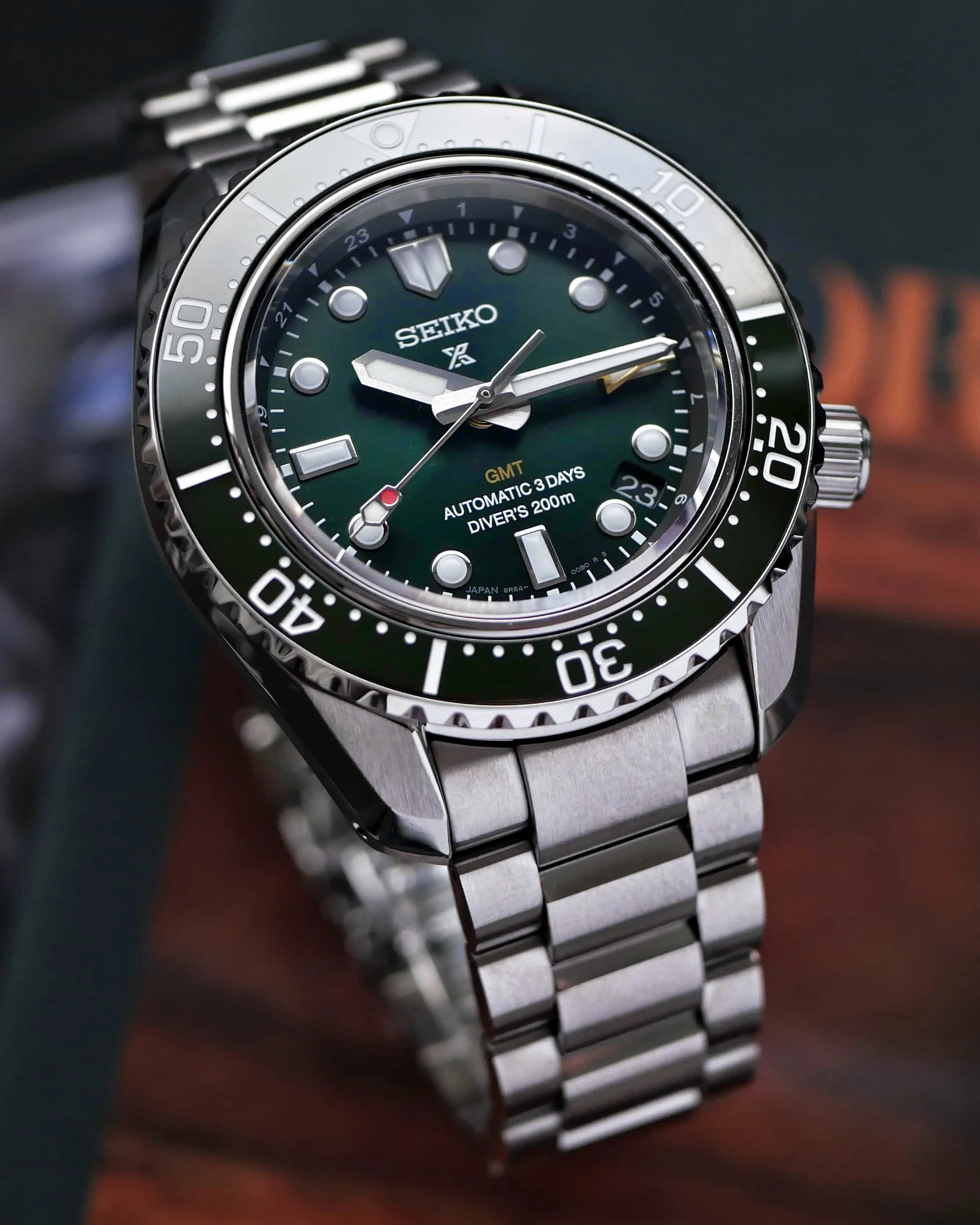
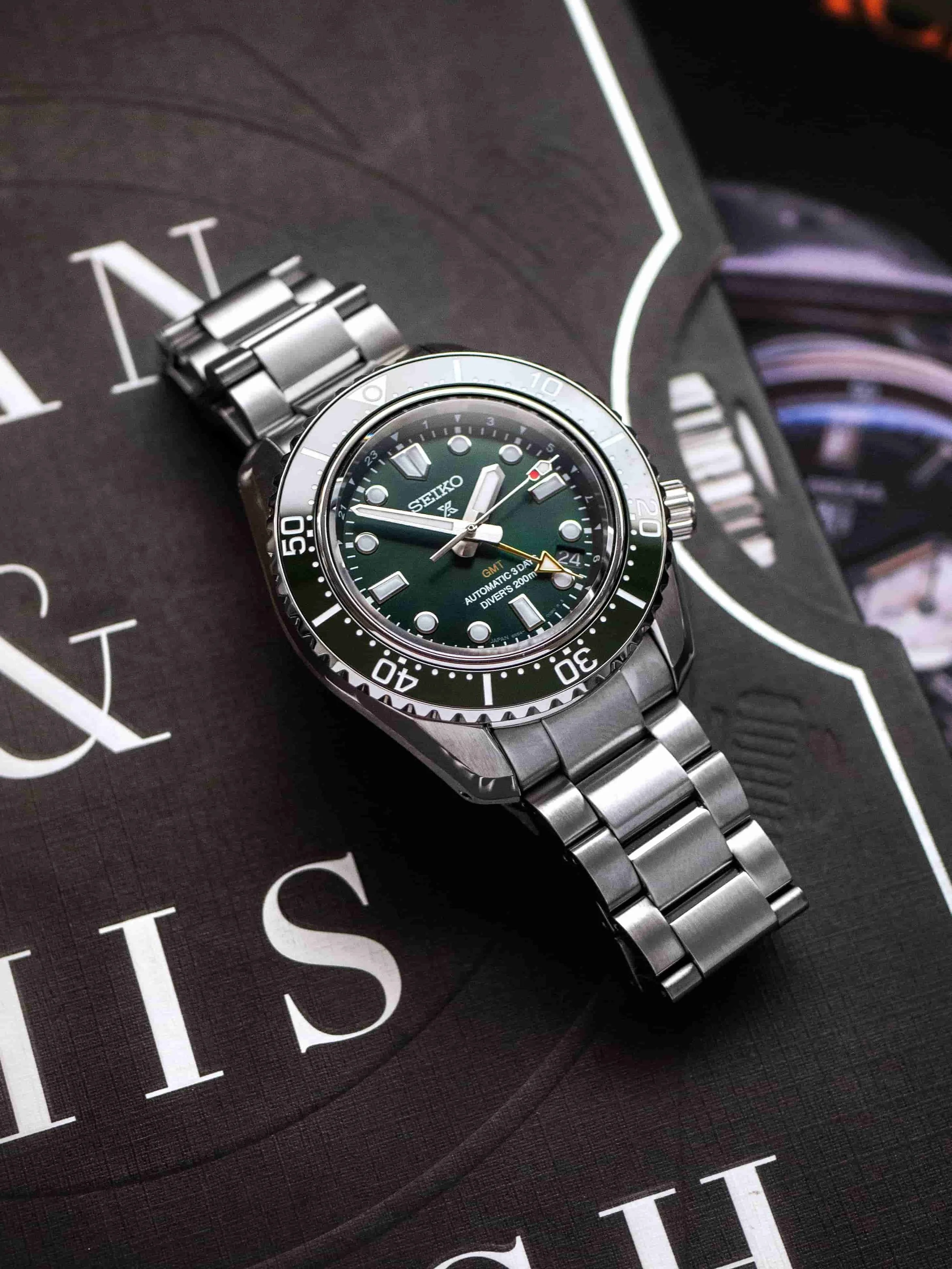
There's a lot to like about the Seiko Prospex SPB381J1. It combines the familiar toughness of a Prospex diver with the added practicality of a GMT complication, but honestly, that gorgeous marine green dial with its little gold accents is what really caught my eye.
After spending a week with it on my wrist, I was equally impressed by how comfortable this 42mm diver was to wear. It's not perfect, mind you, and there's one part of the watch I really wish Seiko had paid a little more attention to!
So, let's take a closer look at what I loved about the SPB381J1, what I'd change, and whether it's a watch worth adding to your collection.
Seiko SPB381J1: Size and Comfort on the Wrist
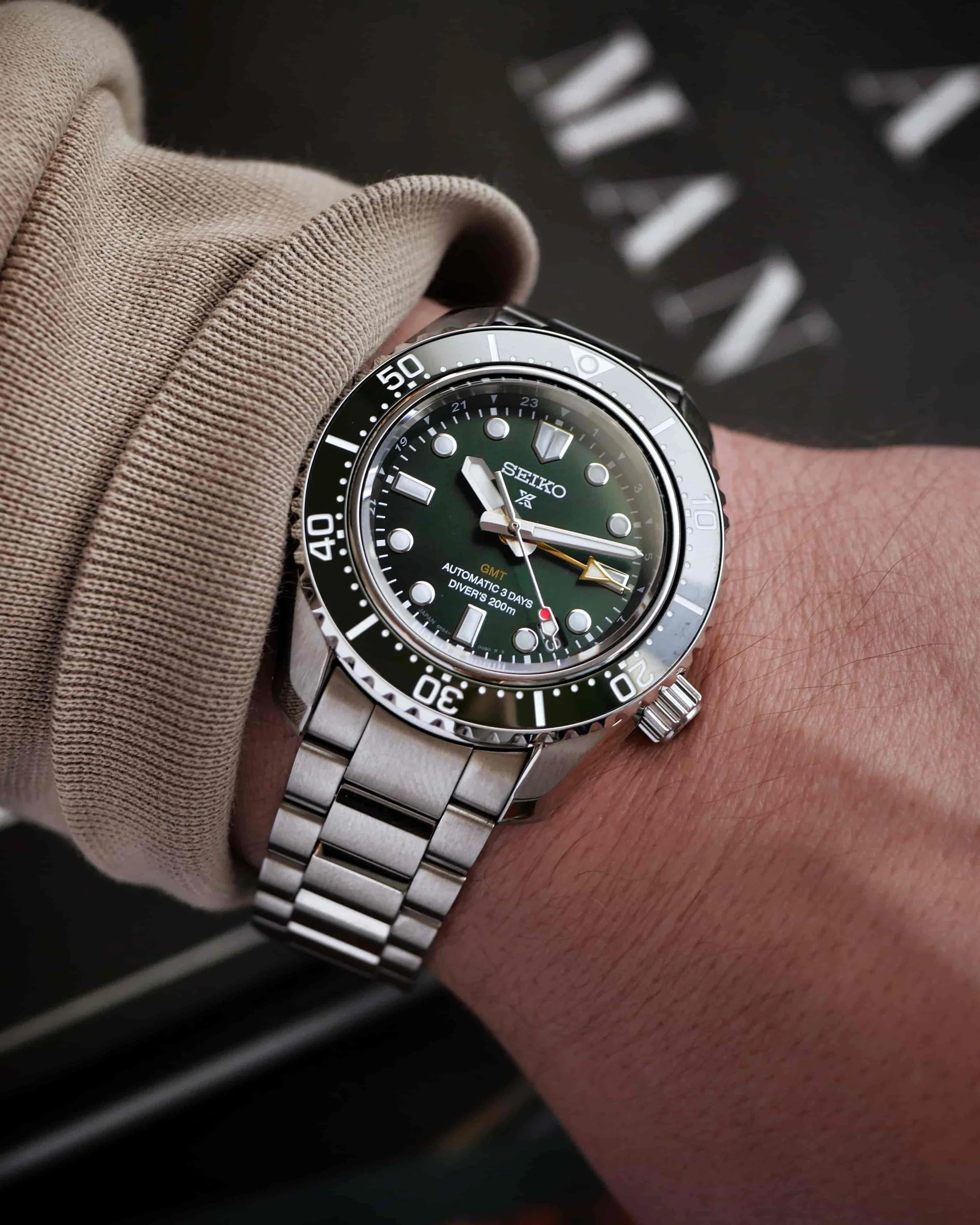
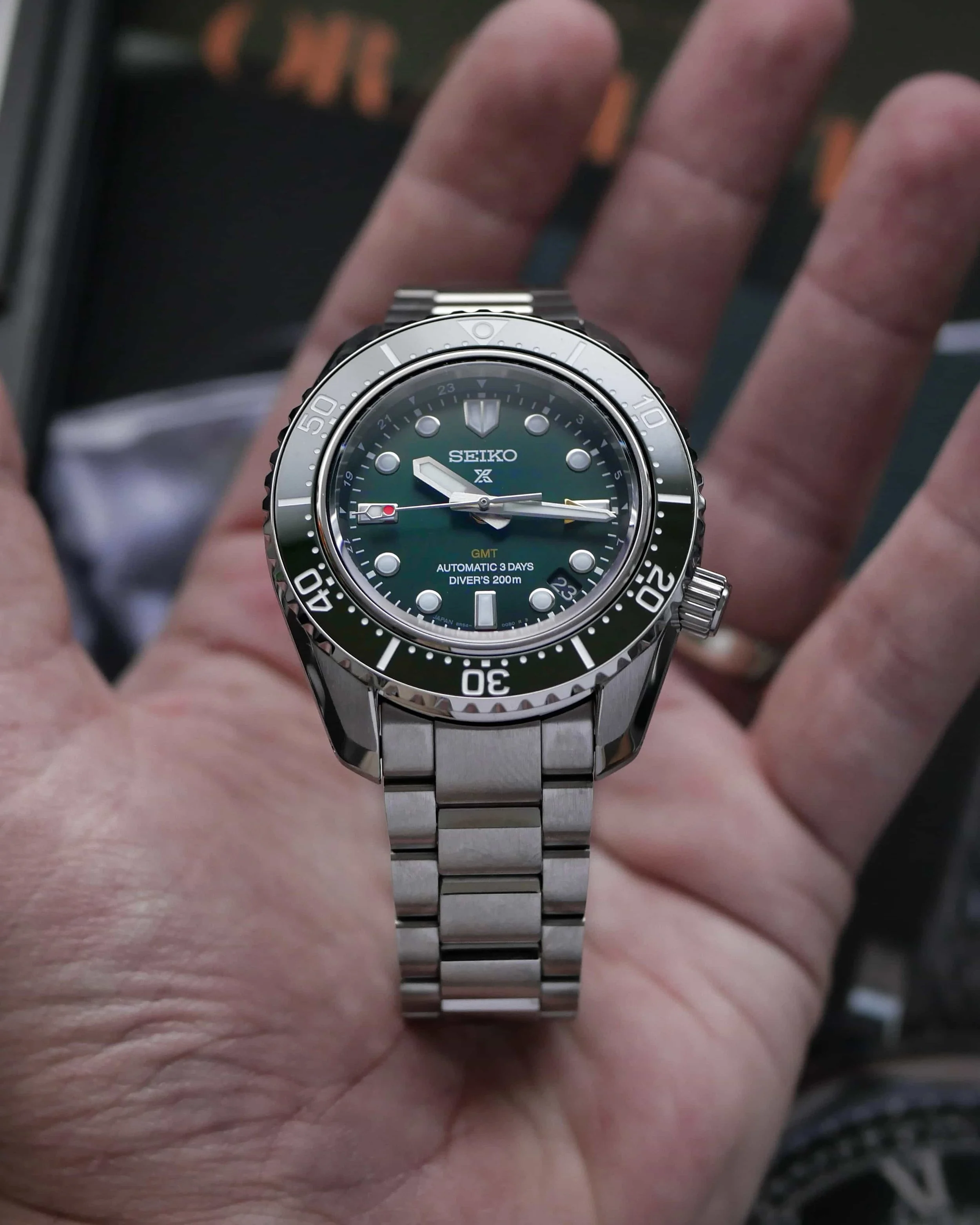
I've been wearing the Seiko SPB381J1 for a week, and honestly, it's been an absolute pleasure on the wrist.
At 42mm in diameter, you might expect this Prospex GMT to wear on the larger side, but the relatively compact 48.6mm lug-to-lug measurement makes a real difference. On my just-over-7-inch wrist, it sits comfortably without any overhang, and I never felt like I was fighting with the size of the watch.
At 12.9mm thick, it's also reasonably well proportioned for a 200m dive watch with a GMT complication. It's certainly got the presence you'd expect from a Seiko Prospex, but without feeling unnecessarily bulky.
If you've been put off by the size of some of Seiko's larger divers, I wouldn't dismiss this one based on the 42mm case diameter alone. It's definitely worth trying on.
That Gorgeous Marine Green Dial
And then there's that marine green dial!
It's a deep, rich shade with a lovely sunburst finish, and those little gold accents on the dial and GMT hand really make it pop without going over the top. I think it's a gorgeous colour combination, and it gives the SPB381J1 a little more character than your usual black or blue dial diver.
One thing I noticed while wearing it was how differently the colours come across depending on the lighting. The ceramic bezel insert can look almost black in darker conditions, but the dial manages to hold onto that beautiful green colour until things get really dim.
Get it into some decent light, though, and the whole thing comes alive! It's easily one of my favourite things about this watch.
Seiko SPB381J1 Specifications
Model: Seiko Prospex 1968 Heritage Diver's GMT SPB381J1
Case: 42mm stainless steel with Seiko's super-hard coating
Thickness: 12.9mm
Lug-to-lug: 48.6mm
Lug width: 20mm
Movement: Seiko Calibre 6R54 automatic GMT, with manual winding and hacking seconds
Power reserve: Approximately 72 hours (3 days)
Movement accuracy: +25 to -15 seconds per day (Seiko's stated specification)
GMT function: Independently adjustable 24-hour hand
Crystal: Sapphire with an anti-reflective coating on the inner surface
Bezel: Unidirectional rotating bezel with a ceramic insert
Water resistance: 200m diver's
Lume: Seiko LumiBrite on the hands, markers and bezel
Bracelet: Stainless steel with a folding clasp, safety lock and diver's extension
Weight: Approximately 176g on the bracelet
Case Finishing, Bezel and Crown
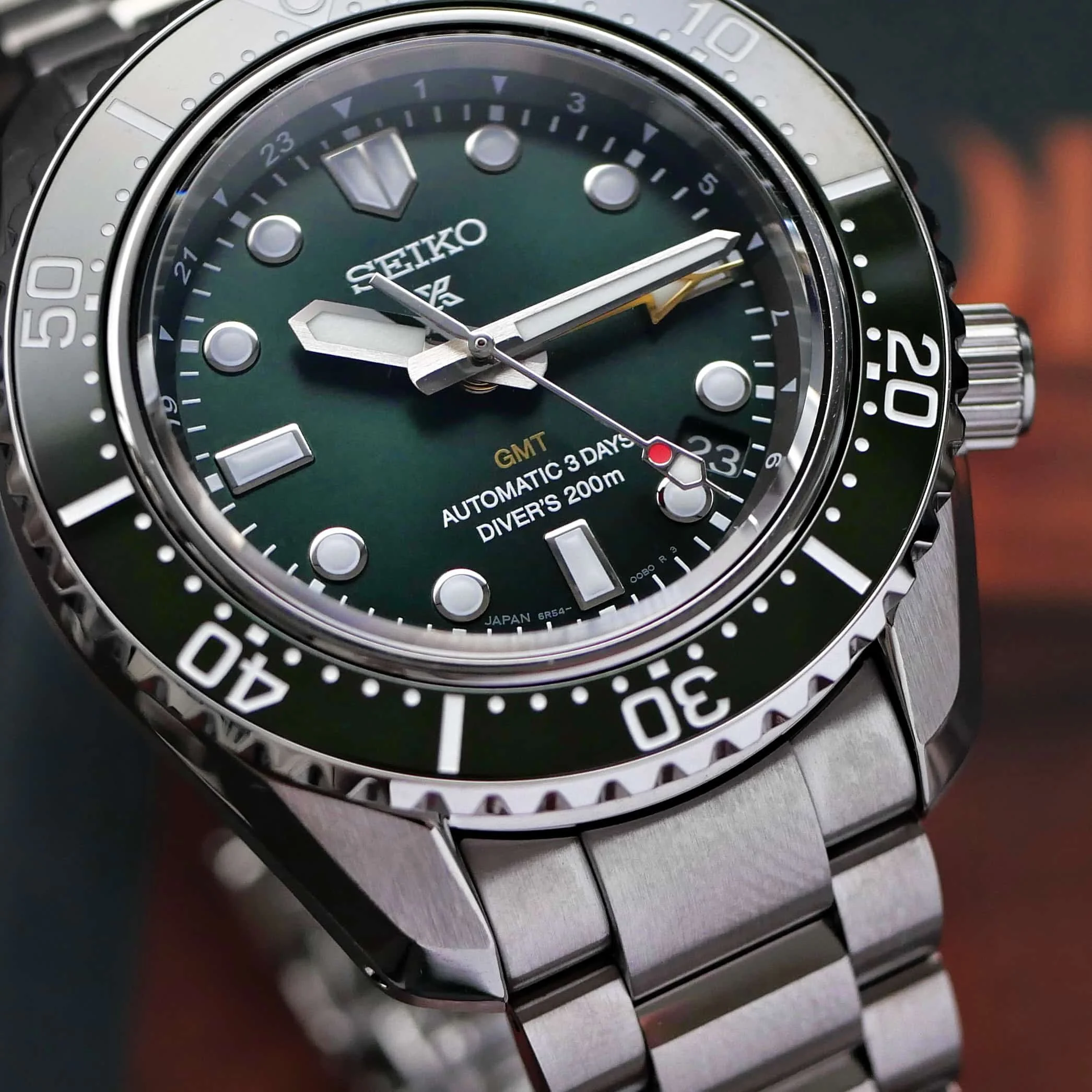
The SPB381J1 really impressed me with the finishing on the watch head. Seiko has combined polished and brushed surfaces beautifully, giving the case a lovely contrast and a more premium feel than I've experienced with some other Prospex models.
It's the little details that make a difference, too. The knurling on both the bezel and crown is nicely executed, and the bezel on my review watch lined up perfectly. It also had that satisfying, smooth but positive action I always like to find on a proper dive watch.
In fact, I found myself thinking that the case finishing was edging towards Grand Seiko territory in places. Now, I'm not saying they're the same thing! But this really does feel like a step up from some of the other Prospex watches I've owned or tried, and I'd love to see more of this attention to detail across the range.
The Bracelet and Clasp: Room for Improvement
Now, as much as I loved the SPB381J1, there's one area where I think Seiko could have done better, and that's the clasp.
The bracelet itself feels reassuringly solid and complements the watch nicely. Unfortunately, the clasp doesn't quite live up to the same standard. The stamped metal components and fairly basic diver's extension feel a little disappointing when you consider just how much attention Seiko has paid to the rest of the watch.
It's something I've noticed with other Seiko watches, too. The cases and dials can be absolutely superb, but the clasps sometimes feel like they've been given considerably less attention.
Would it put me off buying the SPB381J1? No, not really. The bracelet is still perfectly usable, and there are aftermarket options worth exploring if you fancy a change. But at this price, I don't think it's unreasonable to expect something a little more refined straight out of the box.
It's a shame, really, because Seiko has got so much else right with this watch.
How Does the Seiko SPB381J1 GMT Work?
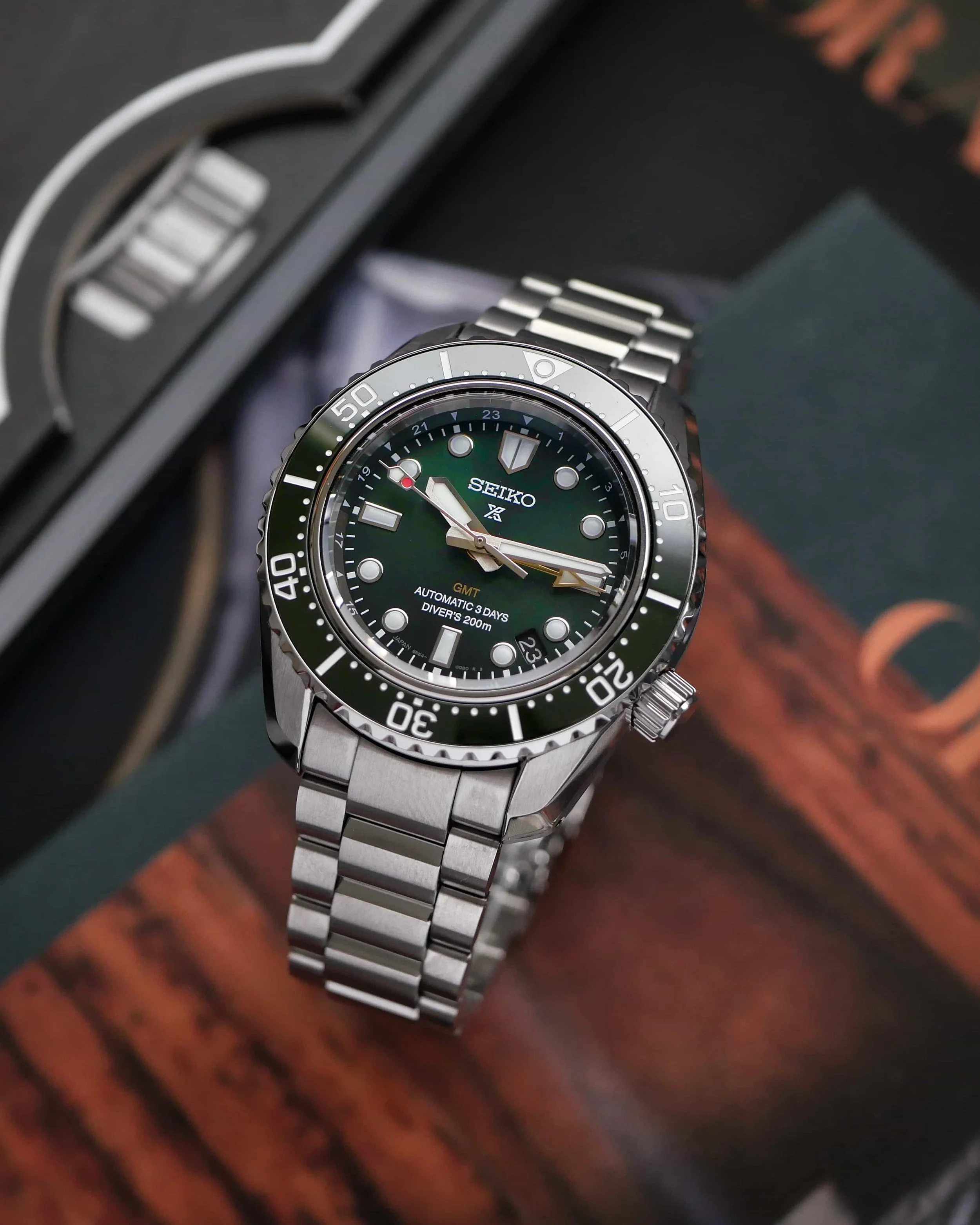
One of the main attractions of the SPB381J1 is, of course, that GMT complication. Seiko has equipped it with the automatic Calibre 6R54, which gives you an independently adjustable 24-hour hand alongside the regular hour, minute and seconds hands.
It's what's commonly known as a caller GMT. This means you can adjust the GMT hand independently in one-hour increments to keep track of a second time zone without disturbing the main time display. Handy if you've got family overseas, work with people in different countries or just like knowing what time it is somewhere else.
The downside is that it's not quite as convenient for frequent travellers as a flyer GMT. With those movements, you can jump the main hour hand forwards or backwards when you arrive in a new time zone without stopping the watch. On the SPB381J1, changing your local time means resetting the main hands instead.
Personally, I don't think that's a dealbreaker. There's still plenty of practicality here, especially when you consider that you're getting the GMT functionality alongside a proper 200m diver. Seiko has also retained the traditional dive-time bezel rather than replacing it with a 24-hour GMT bezel, which I think makes sense for a watch with such strong diving heritage.
And with a 72-hour power reserve, you can leave it off your wrist for a couple of days without having to wind it and set everything again. That's always a welcome bonus.
If you like the idea of a Seiko GMT but fancy something a little different, I've also spent time with the Seiko Alpinist GMT SPB409J1. It's a very different take on the GMT complication and well worth a look.
Seiko SPB381J1: My Final Verdict
After spending a week with the Seiko SPB381J1, I came away seriously impressed. That gorgeous marine green dial, the little touches of gold and the excellent case finishing give it loads of character. But what surprised me most was just how comfortably it wore. Despite its 42mm case, it felt right at home on my just-over-7-inch wrist.
Add the GMT functionality, a three-day power reserve and 200m water resistance, and you've got a watch that's practical as well as good-looking. I also like that Seiko has kept the traditional dive bezel. This still feels like a proper Prospex diver, just with the added bonus of being able to track another time zone.
So, would I recommend the SPB381J1? Absolutely, although that clasp is still something I'd like Seiko to improve. It feels a little underwhelming compared with the quality of the watch head, particularly at this price. But would it stop me buying one? Not at all. In fact, by the end of my week with it, I was seriously considering adding one to my own collection.
If you're looking for a capable automatic diver with GMT functionality and a bit more personality than the usual black or blue dial options, I think the SPB381J1 deserves a place on your shortlist. Just make sure you're happy with the clasp before taking the plunge.
Still exploring the Seiko diver range? I've also put together a guide to Seiko Prospex dive watches, looking at some of the different models and what makes the collection so popular.
Seiko SPB381J1 FAQs
Is the Seiko SPB381J1 too big for a 7-inch wrist?
Not in my experience. Although the SPB381J1 has a 42mm case, its relatively compact 48.6mm lug-to-lug measurement makes it surprisingly wearable. It sat comfortably on my just-over-7-inch wrist without any overhang. Of course, everyone's wrist shape is different, but I wouldn't let the case diameter put you off trying one.
Is the Seiko SPB381J1 a caller or flyer GMT?
The SPB381J1 uses Seiko's Calibre 6R54, which is a caller GMT movement. You can adjust the 24-hour GMT hand independently to track another time zone, but the main local-hour hand doesn't jump independently as it would on a flyer GMT. It's particularly convenient if you regularly need to keep track of the time somewhere else.
Can you actually dive with the Seiko SPB381J1?
Yes. Despite the addition of a GMT complication, this is still a proper Seiko Prospex diver with 200m water resistance, a screw-down crown and a unidirectional dive-time bezel. As with any diving watch, make sure it's properly maintained and pressure-tested when necessary.
Is the Seiko SPB381J1 a limited edition?
No, the marine green SPB381J1 is part of Seiko's regular Prospex collection. It was introduced alongside the black-dial SPB383 and the limited-edition ice-blue SPB385.
What's the biggest downside of the Seiko SPB381J1?
For me, it's the clasp. The bracelet itself feels solid, but the stamped components and basic diver's extension don't quite match the quality of the case and dial. It's not something that would stop me buying the watch, but at this price, I think Seiko could have done better.